With the summer holidays approaching, many of us are looking forward to spending time with family and friends, whether at the coast, around the pool or enjoying the great outdoors. While most people remember to protect their skin from the sun, eye care is often overlooked.
Yet summer can be just as tough on your eyes. Strong UV rays, chlorine from swimming pools, dry air-conditioning and increased pollen levels can all contribute to eye irritation and discomfort. A little extra care can go a long way towards keeping your eyes healthy and comfortable, so you can make the most of your holiday.

Practical tips to protect your eyes this summer.
Protect your eyes from the sun:
Enjoying the outdoors is part of summer, but prolonged exposure to ultraviolet (UV) rays can increase the risk of eye damage, including cataracts. It can also cause photokeratitis, a painful burn to the cornea, the clear outer layer of the eye. This is commonly known as “sunburn of the eye”.
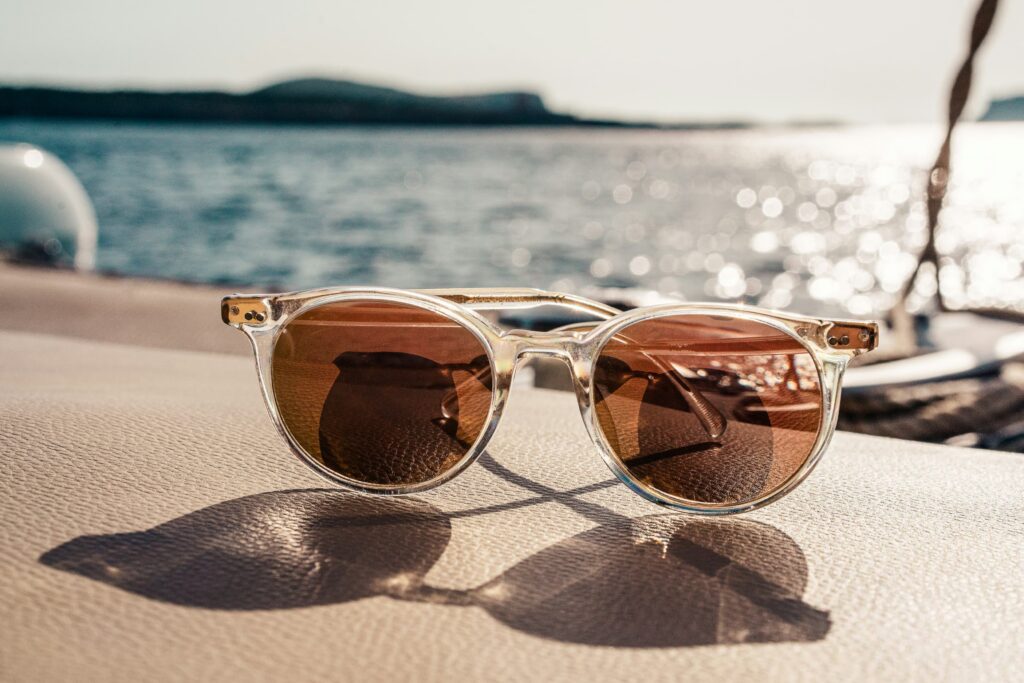
UV exposure builds over your lifetime, so every sunny day adds to the importance of protecting your eyes. Make sunglasses with 100% UVA and UVB protection part of your everyday summer essentials. Remember, dark lenses do not necessarily offer UV protection, so always check the label. It’s a simple and stylish way to look after your eyes.
“If you’re spending time outdoors, don’t reserve your sunglasses for the beach or particularly sunny days,” says Adele Camarena, optometrist, eyewear stylist and associate at Spectacle World. “UV exposure can occur throughout the day, so wearing sunglasses with proper UV protection should be part of your everyday routine.”
If you wear glasses for short-sightedness, long-sightedness or astigmatism, standard sunglasses may leave your vision blurry. Prescription sunglasses give you clear vision while driving, playing sports or spending time outside.
Be careful with your contact lenses:
The ocean, lagoons, rivers and swimming pools are all tempting places to cool off, as are a quick shower or a spray from the garden hose. However, water can carry microorganisms that become trapped between contact lenses and the eye, potentially increasing the risk of serious infection.
“If you wear contact lenses, it’s important to remember that they aren’t designed for use in water,” says Camarena. “Even seemingly clean swimming pool water can contain microorganisms that may cause serious eye infections. Daily disposable contact lenses can reduce this risk significantly. Prescription swimming goggles are a safer option if you need vision correction in the water.”
When using eye drops, check the instructions and allow at least five minutes before inserting your lenses, unless the drops are specifically formulated for use with contact lenses.
Soothe dry, irritated eyes:
Air-conditioning, ceiling fans and increased pollen levels can all contribute to dry, itchy eyes during summer. As tempting as it may be, try not to rub your eyes, as this can introduce dirt and bacteria or scratch the delicate surface of the eye. Instead, apply a clean, cool compress to help soothe irritation.
For mild dryness, artificial tears can help keep your eyes comfortable. If your symptoms are related to seasonal allergies, antihistamine eye drops may help relieve itching and irritation. Avoid eye drops marketed to “get the red out”, however, as they can cause rebound redness, where the redness returns once the drops wear off.
“If you experience blurred vision, eye pain or redness that persists, don’t simply put it down to tired or dry eyes,” advises Brevan Robinson, Director of Mullers Optometrists. “An optometrist or ophthalmologist can help identify the underlying cause and recommend appropriate treatment, which may include prescription eye drops or other medication.”
Pack a spare pair:
Your glasses are essential for clear vision, safety and peace of mind while on holiday. If your main pair is lost, damaged or broken while swimming, hiking or sightseeing, having a backup can save your trip from unnecessary disruption.
Replacing prescription lenses in an unfamiliar town or another country can be time-consuming and expensive and may involve language barriers. Clear vision is particularly important when driving in unfamiliar areas, reading maps or navigating busy airports.
“Even if you usually wear contact lenses, dust, sand or unexpected irritation may mean you need to remove them at short notice,” explains Camarena. “Having a spare pair of prescription glasses, as well as prescription sunglasses if you spend a lot of time outdoors, can make all the difference.”
Give your eyes a screen break:
While it’s tempting to spend downtime scrolling, gaming or watching videos, try to limit screen time over the holidays. Prolonged use of digital devices can contribute to eye strain, headaches and disrupted sleep. It can also leave less time for outdoor activities, exercise and meaningful time with family and friends.
“Remember to give your eyes regular breaks when using phones, tablets and other screens,” says Robinson. “A simple approach is to look away from the screen every 20 minutes and focus on something in the distance. It helps to make a conscious effort to put devices aside and enjoy the activities around you, too.”

Wear protective eyewear when gardening or doing DIY:
Gardening and DIY projects can pose unexpected risks to your eyes. Lawn mowers, brush cutters and hedge trimmers can send stones, grass and other debris flying, while drilling, sanding and cutting can expose your eyes to dust, wood splinters and other particles. Pollen and plant material can also cause irritation.
Robinson recommends wearing appropriate protective eyewear, such as safety glasses or goggles, to help prevent injuries when working outdoors or tackling projects around the home.
What to do if something gets into your eye during the holidays:
“If dust, sand or another small particle gets into your eye, resist the urge to rub it, as this could scratch the delicate surface of the eye. Wash your hands and gently rinse the eye with clean water or sterile saline solution. Blinking several times can also help your tears flush out the particle,” says Robinson.
He adds that contact lens wearers should remove their lenses before rinsing the eye, provided they can do so easily. “Never try to remove anything that appears embedded in the eye, and don’t use tweezers or other objects to dislodge it. You could cause further damage.
“If the irritation persists, or you experience pain, blurred vision, sensitivity to light or ongoing redness, seek urgent medical attention. Chemical splashes and penetrating eye injuries require immediate medical care. Don’t delay getting help by trying to treat these injuries yourself.”

Make eye care part of your holiday routine:
“Your eyes are exposed to all sorts of conditions during the summer holidays, from strong sunlight and swimming pool water to dust, wind and everyday activities,” says Robinson. “The good news is that many common problems can be avoided with a few simple precautions. Wear sunglasses with proper UV protection, take care with contact lenses, use protective eyewear when necessary and don’t ignore symptoms that persist or cause discomfort. A little preparation can make a big difference, helping you enjoy your holiday while keeping your eyes healthy.
“And if your glasses need attention before or during the holidays, Mullers Optometrists offers eyewear and frame repair services across its Cape Town branches. These range from minor adjustments and lens replacements to more complex repairs, including soldering and frame replacement. There are also a range of special offers available in-store,” Robinson concludes.