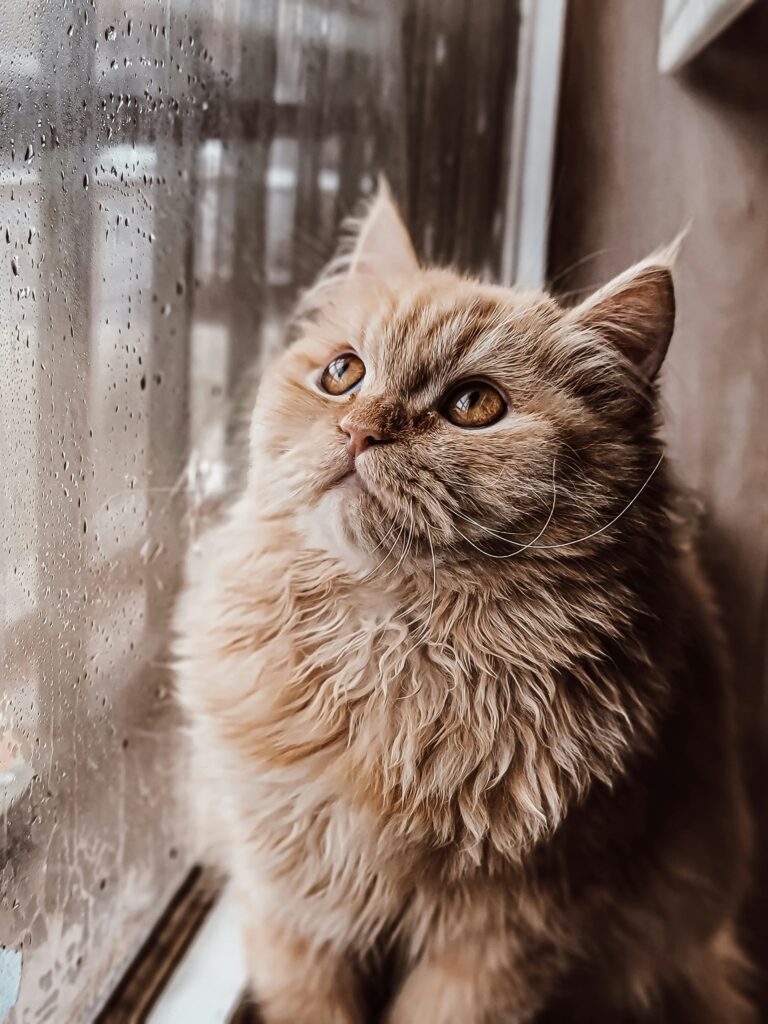
As our understanding of pet wellbeing continues to evolve, veterinarians are increasingly recognising mental stimulation as an essential part of everyday care, alongside balanced nutrition, regular exercise and preventative healthcare. Activities that encourage pets to play, explore, solve problems and express their natural instincts, known as enrichment, are increasingly recognised as an important contributor to both physical and emotional wellbeing.

“Nutrition, exercise and preventative healthcare remain fundamental, but they’re only part of the picture,” says Dr Karien Brink, Veterinary Affairs Manager at Hill’s Pet Nutrition. “Mental wellbeing deserves the same attention. Enrichment doesn’t have to be complicated, but providing opportunities for pets to engage their minds and express natural behaviours can make a remarkable difference to their quality of life, particularly during winter when they’re often spending more time indoors.”
Here are four vet-approved ways to enrich your pet’s day this winter:
1. Let your dog use its nose
Many pet parents think a long walk or a quick game of fetch is the only way to tire a dog out. In reality, allowing dogs to sniff, search and investigate their environment provides valuable mental exercise too. Simple scent games, hiding treats around the house or allowing dogs time to sniff during walks can encourage natural behaviours and provide important mental stimulation.
“We now understand that physical activity and mental stimulation work hand in hand,” says Brink. “Teaching a new trick, introducing simple problem-solving games or allowing pets to investigate new scents all challenge the brain in different ways.”
2. Rotate toys instead of buying more
Pets can quickly lose interest if the same toys are available every day. “Rather than leaving every toy out, try rotating them every few days,” Brink suggests. “Something familiar can suddenly become exciting again simply because it’s been out of sight for a while.”
Puzzle feeders and treat-dispensing toys can also encourage pets to work for their food, providing both enrichment and engagement.
3. Create an indoor environment that encourages natural behaviour
Even when the weather keeps pets indoors, small changes can make their environment far more stimulating. For dogs, that might mean appropriate chew toys or short training sessions. For cats, climbing shelves, scratching posts and window perches can encourage exploration and satisfy natural instincts.
4. Create your own indoor obstacle course
Get creative with everyday household items to build a simple obstacle course. Cushions, ottomans, cardboard boxes and other safe objects can be used to create challenges that encourage dogs to move, explore and problem-solve, helping to keep them active and mentally stimulated when outdoor time is limited. Always make sure any obstacles are safe and appropriate for your pet’s size, age and ability, and supervise them while they play.

Dr Brink says it’s also important to pay attention to changes in behaviour. “Changes in behaviour sometimes point to an underlying medical issue, while other times they tell us that a pet isn’t getting enough mental stimulation or is experiencing stress. Because dogs and cats communicate through behaviour, it’s important not to dismiss these changes as simply ‘bad behaviour’. If behavioural changes persist or concern you, it’s always worth speaking to your veterinarian.”
“Winter doesn’t have to be a boring season for our pets,” Brink concludes. “Simple opportunities to play, explore and use their natural instincts can help keep pets engaged and support their overall wellbeing throughout the colder months.”